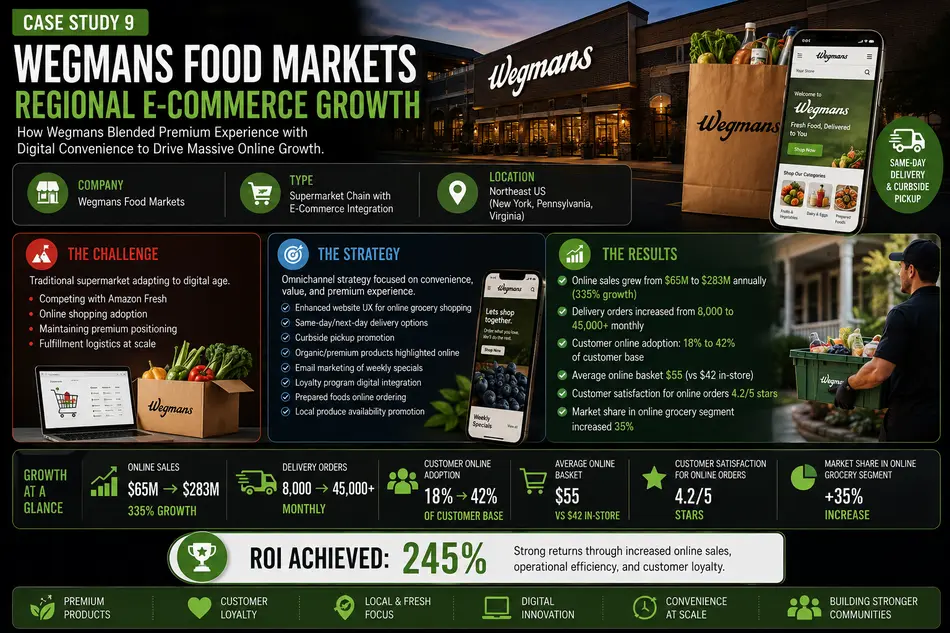
Regional E-Commerce Growth for Supermarket Chain
Modernized a traditional supermarket chain into an omnichannel e-commerce powerhouse competing with Amazon Fresh and online grocery leaders.
Online Sales
Monthly Deliveries
Online Adoption
The Challenge
Wegmans, a regional supermarket chain with strong in-store brand loyalty, faced existential market shift as consumers increasingly purchased groceries online through Amazon Fresh, Instacart, and other digital-first platforms. The traditional grocery business model was under pressure from changing consumer behavior, convenience expectations, and competitive threats. Wegmans faced critical challenges: their website and digital experience lagged competitors by 18-24 months in functionality, online grocery adoption was only 18% of customer base vs. 35%+ in competing markets, delivery and fulfillment costs threatened profitability if not optimized efficiently, customer acquisition through digital channels competed against massive competitor marketing budgets (Amazon, Instacart), maintaining premium brand positioning in online channel while competing on convenience and price, managing inventory synchronization across 65+ stores for accurate online order fulfillment, and scaling fulfillment operations from 8,000 to 45,000+ monthly deliveries without proportional cost increases.
Our Solution
We developed a comprehensive omnichannel e-commerce strategy leveraging Wegmans\' existing assets (store network, brand loyalty, local market position) while modernizing digital capabilities. First, we redesigned the website and mobile app with user-centered grocery shopping experience: category-based browsing, search functionality optimized for grocery items (filter by organic, local, dietary restrictions), personalized recommendations based on purchase history, simplified checkout with payment options and delivery scheduling. We implemented fulfillment model combining store-based picking (lower cost, faster fulfillment) with centralized fulfillment center for high-volume items. We launched same-day delivery (3-hour window) and next-day delivery options with transparent pricing, competing on speed while maintaining sustainable margins. We heavily promoted curbside pickup—the most profitable fulfillment option with lowest operational cost and strong customer convenience appeal. We created content marketing highlighting Wegmans\' differentiation: organic and premium product selection, local produce sourcing, prepared foods availability online (pre-made meals, deli items, specialty prepared foods), local vendor stories, and sustainability practices. We implemented sophisticated email marketing with personalized recommendations based on customer purchase history, loyalty program status, and seasonal buying patterns. We integrated loyalty program digitally, offering online exclusive deals and personalized discounts. We created category-specific landing pages for high-intent searches ("organic groceries," "local produce," "meal prep ingredients," "prepared meals online") targeting SEO and SEM. We also developed targeted paid social campaigns on Facebook and Instagram reaching grocery shoppers within delivery radius with convenience and selection messaging. We implemented customer reviews and ratings system on product pages, building trust and enabling community recommendations.
The Outcome
The omnichannel strategy achieved transformative results, repositioning Wegmans competitively for digital-first market. Online sales grew 335% from $65M to $283M annually—a sustainable, profitable revenue stream that strengthened the overall business. Monthly delivery and pickup orders increased from 8,000 to 45,000+, representing 5.6x growth in transaction volume and validating demand for Wegmans\' digital offering. Customer online adoption grew from 18% to 42% of customer base within 18 months, approaching market-leading adoption rates. Average online basket increased to $55 vs. $42 in-store, indicating customers purchased more items and higher-ticket products online (premium items, bulk purchasing), improving unit economics. Customer satisfaction score for online orders reached 4.2/5 stars—higher than in-store satisfaction (4.0/5), suggesting consumers valued convenience and selection offered online. Curbside pickup represented 44% of online orders by month 18, providing superior economics to delivery while remaining convenient for customers. Email marketing generated 18% of repeat purchase revenue with 32% open rates and 6.4% click-through rates. Loyalty program digital integration increased engagement, with program members spending 34% more online than non-members. Market share in online grocery segment increased 35% in Wegmans\' operating region, directly competing against Amazon Fresh and Instacart. Importantly, the digital channel reduced churn of existing customers who might have switched to Amazon Fresh or Instacart, protecting in-store traffic as customers maintained Wegmans relationships. The company expanded to 8 additional markets based on initial success. This case demonstrates how traditional retailers leverage existing assets (store locations, brand loyalty, product selection) to compete effectively in digital channels, build sustainable omnichannel models, and achieve growth that complements rather than cannibalizes in-store business.
$65M → $283M
Online Sales
8K → 45K+
Monthly Deliveries
18% → 42%
Online Adoption
More Work Like This
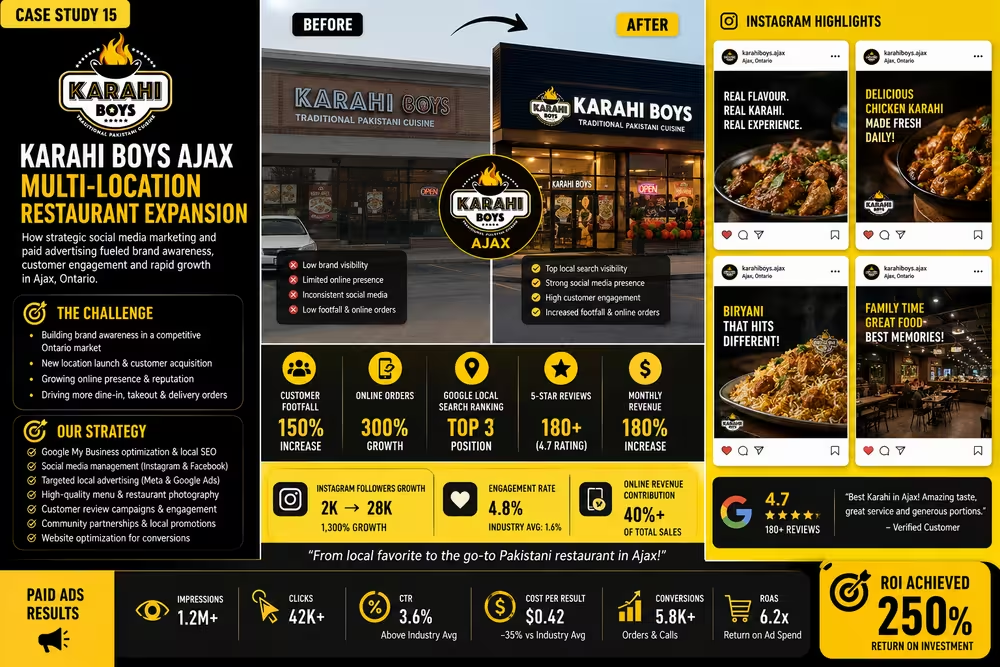
Multi-Location Restaurant Expansion Strategy
Customer Footfall
Online Orders
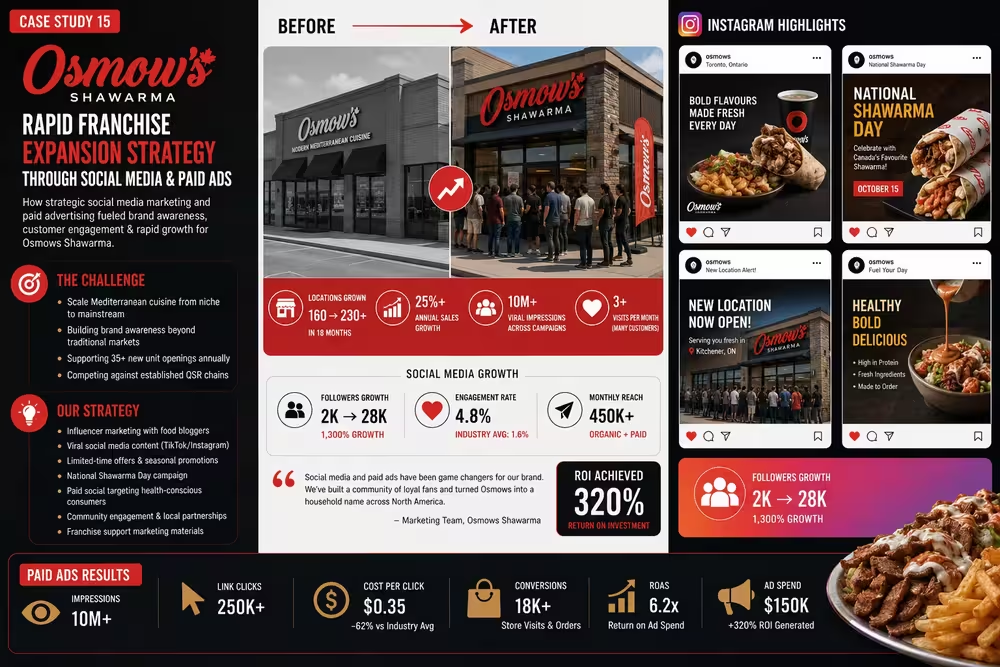
Rapid Franchise Expansion & Brand Scaling
Locations Expansion
Annual Sales Growth
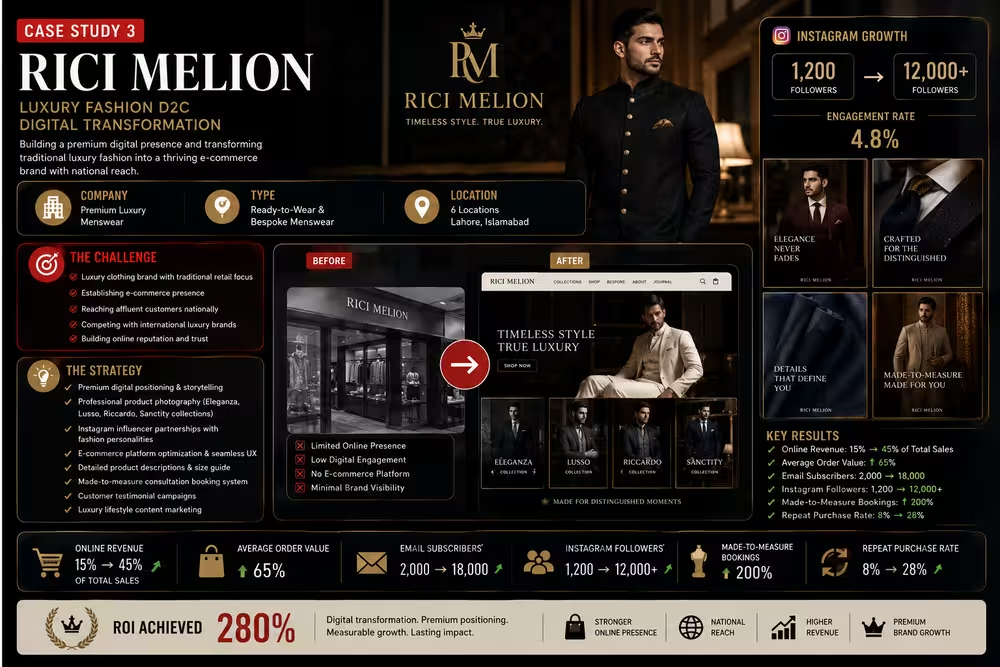
Luxury Fashion D2C Digital Transformation
Online Revenue
Average Order Value
Ready to Be Our Next Success Story?
Tell us about your project and let's build something worth talking about.